Blogs
What's New Trending

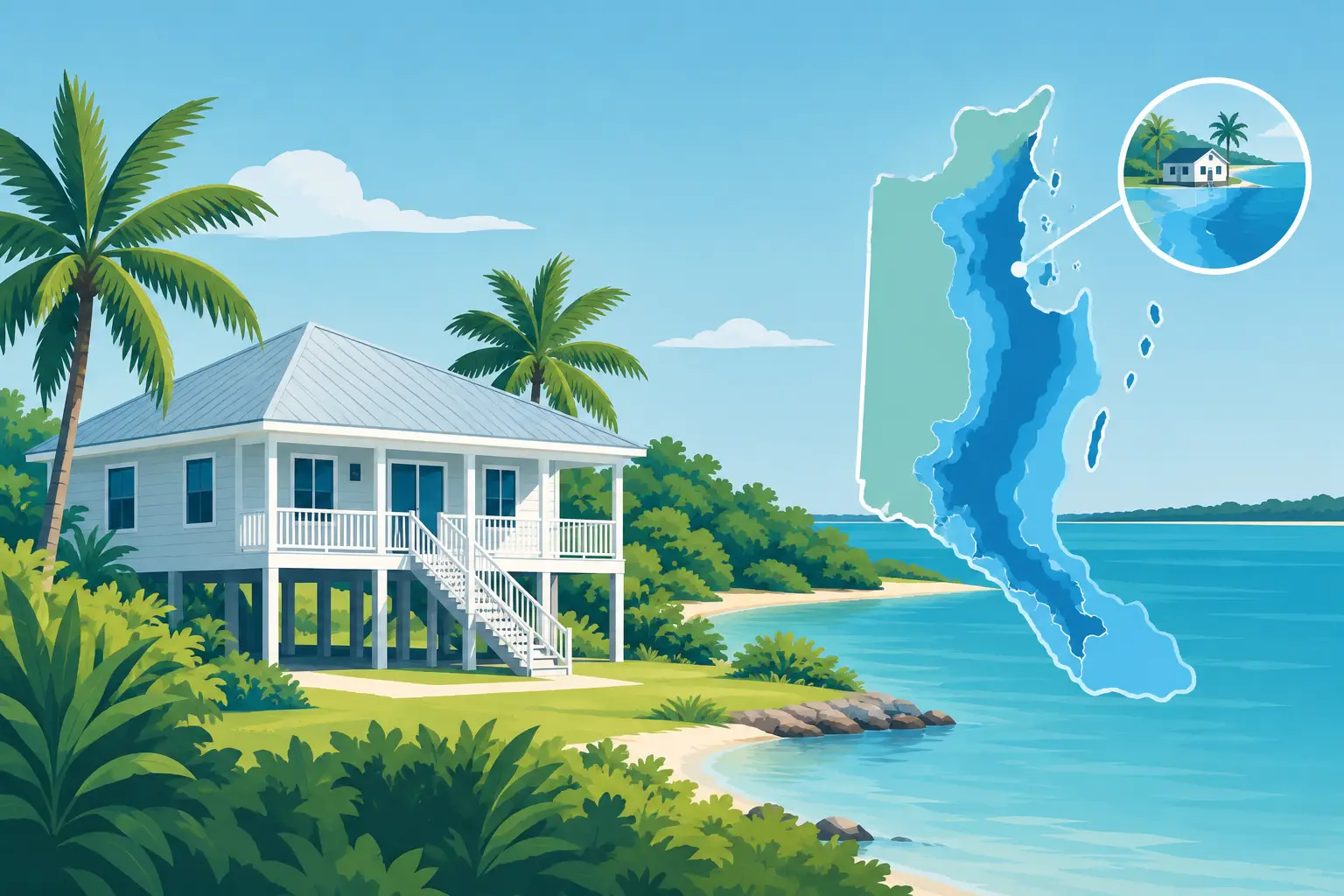
A Hopkins flood zone review is not a box to check after you fall in love with a beach house or riverfront lot. It belongs near the beginning of your search. In this part of Belize, water is part of the appeal: Caribbean beaches, lagoons, creeks, wetlands, and the Sittee River create a remarkable lifestyle. They also mean that every property needs to be evaluated on its own elevation, drainage, access, and building history.
For US buyers especially, the phrase “flood zone” can suggest a single official answer. In Hopkins and the surrounding Stann Creek area, the more useful approach is practical and property-specific. A parcel may be dry and well-built for normal conditions while still requiring thoughtful planning for heavy rain, king tides, tropical weather, or a storm event. The right question is not simply, “Is it in a flood zone?” It is, “How does this particular property handle water, and does that fit my plans?”
Hopkins sits on a narrow coastal area, with the Caribbean Sea to the east and lagoons and low-lying land nearby. The village character is a big part of its value. You can find beachfront homes, quiet village properties, lots near the water, and nearby acreage with a more natural setting. But the same geography that makes the area special can produce meaningful differences between properties only a short distance apart.
A raised home on a well-maintained lot may perform very differently from an older ground-level structure nearby. A lot that looks level during dry season may reveal drainage challenges after several days of rain. Road access, culverts, neighboring construction, vegetation, and how fill has been placed can all affect the experience of owning the property.
This review also affects the financial side of a purchase. Flood exposure can influence construction costs, insurance availability and premiums, rental downtime planning, maintenance, resale appeal, and lender requirements if financing is involved. Cash buyers still benefit from examining these issues because a future buyer may ask the same questions when it is time to sell.
Buyers sometimes expect a FEMA-style designation to settle the matter. Belize does not operate under the same standardized system that many US buyers know, and available mapping may not provide the parcel-level certainty people expect. Regional flood information, topographic data, and local government resources can be helpful reference points, but they should not replace on-site due diligence.
A map can show broad patterns. It may identify proximity to waterways, wetlands, or coastal areas that deserve added attention. What it cannot always tell you is whether a particular home was built high enough, whether the driveway remains passable in heavy rain, or whether the drainage ditch at the road is maintained.
That is why local observation matters. A broker with years in the Hopkins area can help buyers ask better questions and recognize when a property calls for additional investigation. Belize Tropicool Realty approaches this as a practical conversation, not a scare tactic. Many excellent properties in the area are near water. The goal is to understand the trade-offs before you commit.
Start with the structure itself. Is the living area elevated on piers or a raised foundation? How high is it above the surrounding grade? Is the ground floor enclosed, open, or used for storage? Elevated construction is common in coastal Belize for good reason, but the quality of the design and condition of the supports matter.
Ask when the home was built and whether it has been remodeled after major weather events. If additions were made, confirm that drainage and grading were considered rather than simply adding fill around the building. A qualified local building professional can help assess foundation condition, roof attachment, windows, electrical systems, and other features that affect storm readiness.
For vacant land, do not assume a higher-looking lot is automatically ready to build. Ask about the existing grade, the amount and source of any fill, compaction, drainage routes, and where water goes after a prolonged rain. Building pads, septic planning, driveway design, and finished-floor height should all be considered early, not after plans are drawn.
Walk the property slowly. Look for standing water, low spots, blocked swales, undersized culverts, erosion, or signs that water has repeatedly moved across the lot. Mature vegetation can also offer clues. Wetland-type growth, water-tolerant plants, and saturated ground may indicate that the land holds water seasonally.
Then look beyond the boundary lines. Water does not stop at a survey marker. Nearby roads, drainage ditches, neighboring fill, new construction, and undeveloped land can change how water moves. If the property is reached by an unpaved road, ask how it performs in rainy season and whether access is maintained privately or through a public road arrangement.
For a vacation rental or boutique hospitality property, access deserves extra attention. Guests may accept a short tropical rain shower. They will be far less happy if airport transfers, parking, or walkways become difficult after heavy weather. Good site planning can reduce those risks, but it should be budgeted realistically.
The most valuable details often come from people who know the immediate area. Ask the seller and, when possible, nearby owners about past water levels, road conditions, drainage work, and any repairs made after storms. Ask specific questions rather than a general “Does it flood?” A seller may interpret that question differently than you do.
Useful questions include whether water has entered the home, how long standing water remains after heavy rain, whether the road has become impassable, and what improvements have been made to manage runoff. Request documentation for material repairs, drainage projects, or elevation work when it is available.
Timing matters too. A viewing on a bright, dry day tells only part of the story. If your schedule allows, revisit after rain or speak with someone who has seen the property during the wet season. That small extra step can give you a much clearer picture than photos ever will.
Insurance options in Belize are different from those in the United States, and coverage terms can vary considerably by carrier, property type, construction, and location. Do not assume that a standard policy provides the protection you expect for wind, water damage, or business interruption. Obtain insurance guidance before removing contingencies or finalizing your numbers.
If you are financing the purchase, speak with the lender early about property requirements. International buyers often purchase in cash or use financing from outside Belize, but lending terms can still shape what documents, inspections, or insurance coverage are needed. For investment properties, build a reserve for weather-related maintenance and potential short-term rental interruptions. This is prudent ownership planning, not a reason to avoid the coast.
There is no single “best” flood profile for every buyer. A retiree seeking a low-maintenance village home may prioritize paved access, drainage, and a raised living area over being directly on the beach. An investor may accept more site-management responsibility for an exceptional waterfront location with strong rental appeal. A buyer planning to build may see a properly prepared lot as an opportunity to design the home correctly from day one.
What matters is pricing the reality of the property, not just the view. A lower purchase price is not necessarily a bargain if drainage, fill, access, or construction upgrades will cost more than expected. On the other hand, a well-designed waterfront home with a proven history and sound construction can be a very compelling long-term purchase.
Before you make a final decision, combine local knowledge with professional review. Confirm the parcel boundaries and access, inspect the improvements carefully, talk through drainage and elevation, investigate insurance, and factor future maintenance into your budget. If the property is intended for rental income, evaluate it through the eyes of a guest as well as an owner.
A thoughtful Hopkins flood zone review should leave you with clarity, not anxiety. The best coastal properties are not those that promise an unrealistic risk-free life near the water. They are the ones whose location, construction, price, and upkeep requirements match your goals – and where you understand exactly what you are buying before you call Belize home.